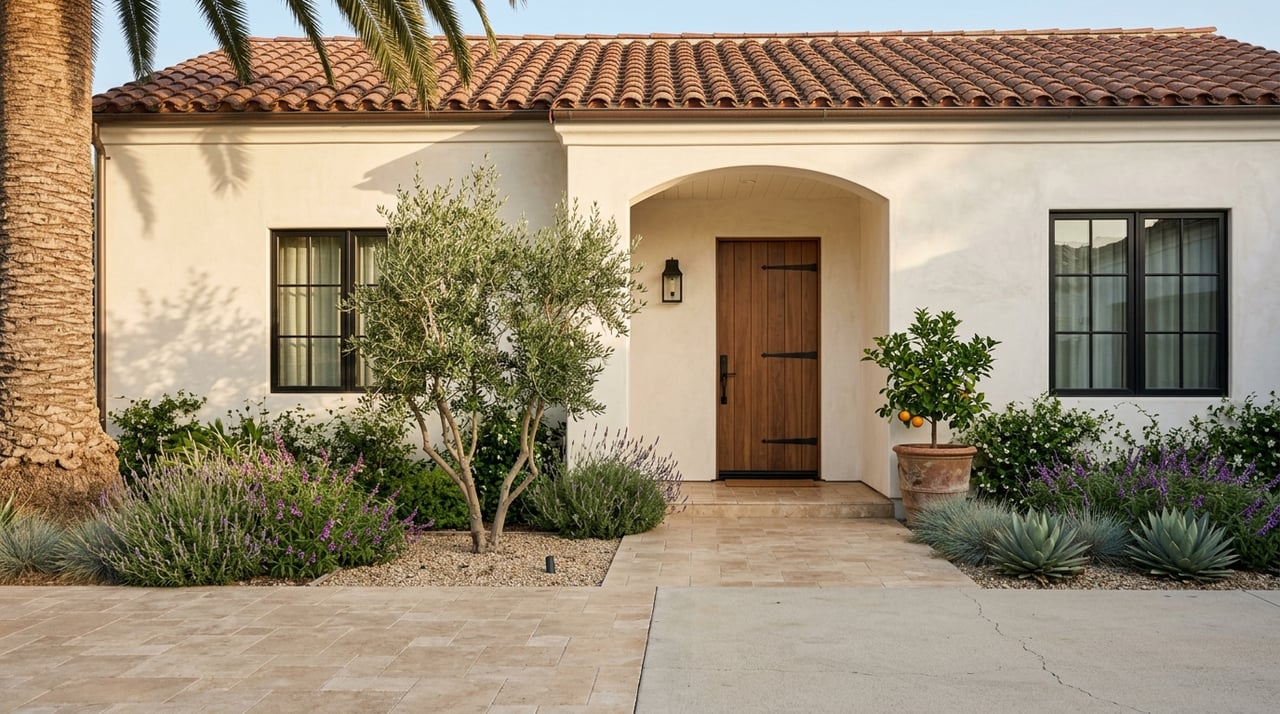
If you are picturing a fast-paced, walk-everywhere district, Rancho Cucamonga’s foothill neighborhoods may surprise you. Life here tends to feel more open, more residential, and more connected to trails, parks, and everyday routines close to home. If you are considering a move or simply want a better feel for Alta Loma, Etiwanda, and nearby foothill areas, this guide will help you understand what daily life actually looks like. Let’s dive in.
Foothill Living Feels Different
Rancho Cucamonga’s foothill neighborhoods are shaped more by space than by density. City planning describes Alta Loma as the city’s most authentically semi-rural community, while Etiwanda is planned to remain traditional, suburban, and very low density, with an emphasis on preserving the character of the original settlement and the open space above the foothills.
In practical terms, that means your day is less likely to revolve around a dense downtown core. Instead, life often centers on your home, local parks, nearby trails, a few major shopping and dining hubs, and the road network that connects them.
For many buyers, that balance is the appeal. You get breathing room and a more relaxed residential setting, while still having access to major retail, recreation, and regional transportation.
Alta Loma and Etiwanda Character
Alta Loma has long been associated with a semi-rural identity and equestrian heritage. The city’s planning documents note that this character remains an important part of the community vision, even as some areas have seen more prototypical suburban development.
That mix gives Alta Loma a layered feel. In some pockets, you will find older custom homes, horse-friendly streets, and a setting that feels tied to the foothills. In others, you will see newer suburban patterns that still sit within a lower-density environment than many parts of Southern California.
Etiwanda offers a slightly different expression of foothill living. The city describes it as traditional and suburban with very low density, and it has made clear that future development should reflect the architectural and landscape character of the original settlement while conserving rural and natural open spaces.
For a buyer, this usually translates into neighborhoods that feel orderly, residential, and visually tied to the mountains. You are not choosing between total isolation and city intensity. You are choosing a middle ground that gives you space without losing access to daily conveniences.
Home Styles and Street Feel
The foothill housing mix is best understood as suburban and semi-rural, not urban. Depending on the exact pocket, you may see custom-built homes, established lots, winding streets, and newer residential subdivisions.
This variety matters when you are searching for the right fit. Some buyers want a neighborhood with a little more room and a less compact street pattern. Others want a newer home near established retail and freeway access. In the foothill areas of Rancho Cucamonga, you can often find both within the same broader part of the city.
Nearby areas such as Red Hill add another layer to the overall picture, with hilly terrain, semi-rural roads, and mid-century custom-built homes. Even if you focus mainly on Alta Loma or Etiwanda, that broader foothill setting helps define the local feel.
Parks and Trails Shape Daily Routines
One of the clearest features of everyday life in these neighborhoods is how often outdoor spaces become part of the weekly routine. Parks and trails are not just occasional destinations here. They are built into how many residents spend their mornings, afternoons, and weekends.
The North Etiwanda Preserve stands out as one of the area’s defining outdoor amenities. The city describes it as a 3.4-mile loop trail through scenic foothills, with historic features that include an early water delivery system, an antique water pumping station, a stone chimney, and even a visible section of the Sierra Madre fault.
If you want a flatter option for regular exercise or casual movement, the Pacific Electric Trail is another key part of local life. The city’s active transportation planning highlights it as a multi-use corridor designed to make walking, biking, and rolling to schools, jobs, parks, and other destinations more practical.
That gives foothill residents a useful mix. You have trail experiences that feel scenic and elevated, and you also have a more linear route that works for walking, jogging, biking, and everyday movement across the city.
Community Parks Stay Busy
Beyond the trails, Rancho Cucamonga’s larger parks help anchor community life. Central Park, Red Hill Community Park, and Heritage Community Park all play important roles in recreation and local routines.
Central Park includes a 57,000-square-foot community facility on 30 acres, making it more than just a green space. It functions as a regular hub for activities, events, and recreation. Red Hill Community Park is known as both a passive and active recreation destination, while Heritage Community Park includes pedestrian, equestrian, and vehicle connections through its bridge project.
The city’s Community Services Department reports that hundreds of thousands of participants enjoy recreation and special event programs each year. That helps explain why these spaces feel lived-in and active rather than underused.
Shopping and Errands Happen in Key Hubs
Foothill living in Rancho Cucamonga is not about walking a few blocks to everything. It is more about having a handful of dependable destinations where errands, dining, and entertainment come together.
For many residents, Victoria Gardens is the main lifestyle retail anchor. Its official description frames it as a two-level, open-air town center with shopping, dining, entertainment, and patio dining in a walkable setting.
That makes it a natural choice for both planned errands and casual outings. You might stop there for a meal, shopping, or a weekend change of pace, even if your neighborhood itself feels quiet and residential.
Foothill Boulevard also plays an important role as a service corridor. City information tied to retail enforcement in the area points to businesses along Foothill Boulevard between Etiwanda Avenue and Haven, which reinforces a simple truth about local life: shopping and errands are spread across several major east-west nodes, not concentrated in a single downtown strip.
Dining Has a Destination Feel
Dining in and around Rancho Cucamonga’s foothill neighborhoods tends to be a mix of everyday convenience and local tradition. The city highlights places such as Haven City Market, Magic Lamp Inn, Vince’s Spaghetti, Sycamore Inn, local breweries, Victoria Gardens, and Terra Vista Town Center as part of the local mix.
That creates a dining rhythm many buyers appreciate. You can keep things casual during the week, then head out for a more intentional dinner or weekend outing without needing to leave the city.
There is also a recognizable Route 66 flavor in parts of the area’s dining scene. For buyers relocating from denser parts of Los Angeles or Orange County, that can make the city feel a little more rooted and distinct, even as newer retail centers continue to serve daily needs.
Libraries, Arts, and Local Programming
Daily life is not only about homes and parks. Rancho Cucamonga also offers community facilities that make routines easier and add variety for residents of different ages and interests.
The Rancho Cucamonga Public Library system includes two branches, along with computer access, study rooms, research assistance, online resources, and programs for all ages. The city also notes a 24/7 Library service and states that the library does not charge overdue fines or checkout fees.
Arts and family-oriented programming are part of the local landscape too. The city highlights the Lewis Family Playhouse and the Randall Lewis Second Story and Beyond discovery space, alongside classes, workshops, parks, and special events through Community Services.
These amenities matter because they round out the feel of the foothill neighborhoods. Even when the residential pattern is lower density, there are still established places to plug into community life.
Commuting and Regional Access
If you are considering a move to Rancho Cucamonga’s foothill neighborhoods, commute patterns are an important part of the picture. The city notes that I-15 and SR-210 run within Rancho Cucamonga, while I-10 is less than a mile south of the city limit.
That freeway framework helps residents stay connected across the Inland Empire and into broader Southern California. For rail users, the Rancho Cucamonga Metrolink Station remains a regional stop, and ONT Connect Route 380 provides service between Ontario International Airport and the station.
For many buyers, this is where the tradeoff becomes clear. You may give up some of the immediate, block-by-block convenience that comes with denser neighborhoods in Los Angeles or Orange County, but you gain more open space and a calmer residential feel while still keeping access to regional travel routes.
What Everyday Life Really Feels Like
The best way to think about Rancho Cucamonga’s foothill neighborhoods is this: they offer a lifestyle built around space, routine, and regional convenience. You are likely to spend more time driving between key destinations than you would in a dense urban district, but those destinations are well established and easy to work into everyday life.
Your week might include a morning walk on the Pacific Electric Trail, an outdoor outing at North Etiwanda Preserve, errands at Victoria Gardens or along Foothill Boulevard, and a community program or park visit close to home. That pattern feels practical, steady, and distinctly local.
If that sounds like the kind of balance you want, Rancho Cucamonga’s foothill neighborhoods may be worth a closer look. If you want help comparing neighborhoods, understanding housing options, or planning your next move in the Inland Empire, Jules Granda is here to help.
FAQs
What is the overall lifestyle in Rancho Cucamonga’s foothill neighborhoods?
- Rancho Cucamonga’s foothill neighborhoods generally feel suburban to semi-rural, with daily life centered around homes, parks, trails, and a few major retail and dining hubs rather than a dense urban core.
What is Alta Loma known for in Rancho Cucamonga?
- Alta Loma is known for its semi-rural character, strong equestrian heritage, and a mix of older custom homes and newer suburban development within the foothill setting.
What is Etiwanda like for everyday living in Rancho Cucamonga?
- Etiwanda is described by the city as traditional, suburban, and very low density, with planning that aims to preserve the character of the original settlement and the natural open spaces near the foothills.
What outdoor amenities are near Rancho Cucamonga’s foothill neighborhoods?
- Key outdoor amenities include the North Etiwanda Preserve, the Pacific Electric Trail, Central Park, Red Hill Community Park, and Heritage Community Park.
Where do Rancho Cucamonga foothill residents shop and dine?
- Many residents use Victoria Gardens as a main shopping and dining destination, while Foothill Boulevard and centers such as Terra Vista Town Center also support everyday errands and meals.
How do Rancho Cucamonga foothill neighborhoods connect to commuting routes?
- The area is served by I-15 and SR-210 within Rancho Cucamonga, with I-10 just south of the city, and the Rancho Cucamonga Metrolink Station provides regional rail access.
