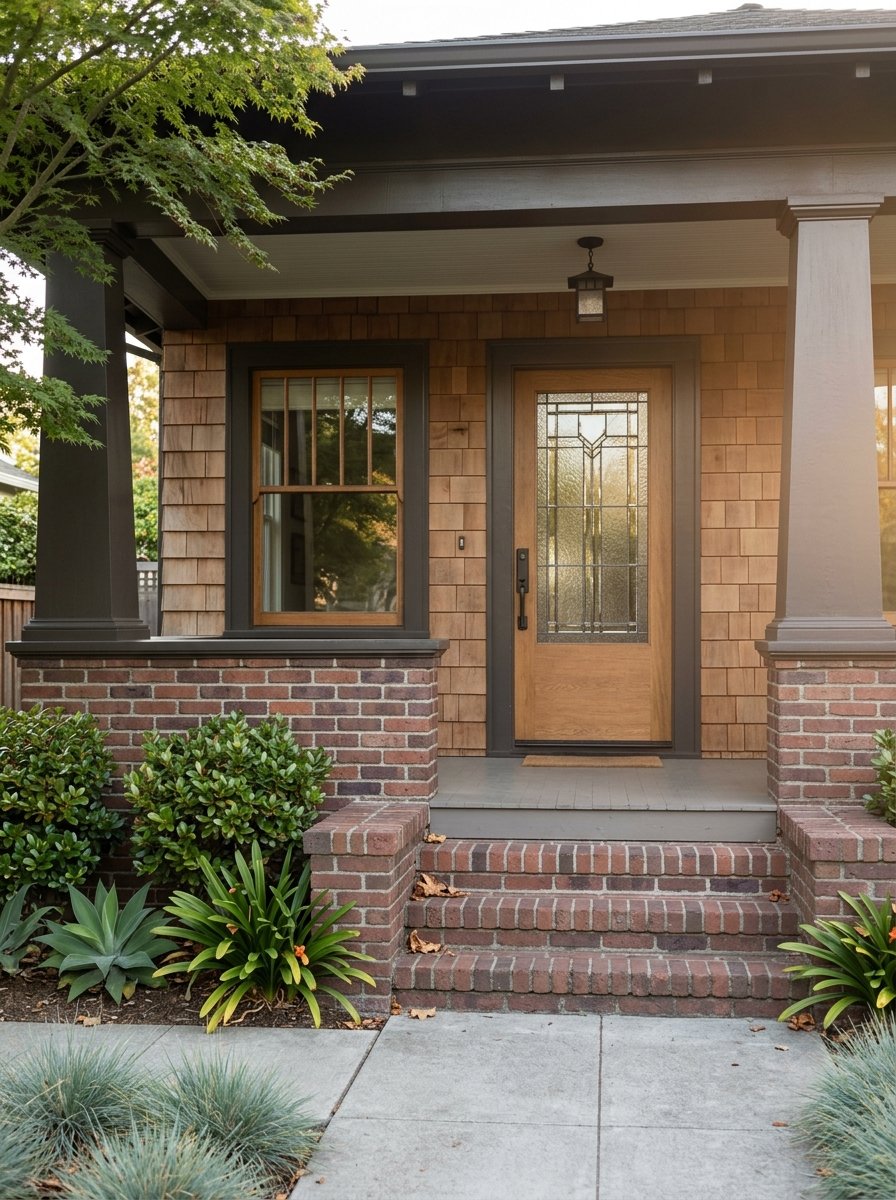
Looking for a Pasadena home with soul, charm, and a true sense of place? You are not alone. Many buyers are drawn to Pasadena’s character homes for their architecture, mature landscaping, and street presence, but these properties also come with a different set of ownership questions than a newer home. If you are thinking about buying one, this guide will help you understand what makes these homes special, what to watch for, and how to plan your purchase with more confidence. Let’s dive in.
Why Pasadena Stands Out
Pasadena has one of the strongest character-home identities in Southern California. According to the city, Pasadena has more than 200 individually designated historic sites and 26 historic neighborhoods. Its historic context statement describes the city as a center of Southern California architecture, with housing that spans Craftsman bungalows, Revival-era homes, and postwar modernism.
That depth did not happen by accident. Pasadena’s residential growth was shaped by the railroad boom, the recording of more than 300 residential tracts between 1900 and 1910, and later waves of postwar infill. For you as a buyer, that means the local housing stock often feels more layered and architecturally distinct than what you may find in newer subdivisions.
What “Character Home” Means in Pasadena
In Pasadena, a character home is not just one style. It can mean an early bungalow, a Revival-era residence, a bungalow court unit, or a postwar modern home that still reflects the city’s design history. The common thread is a strong connection to architecture, landscape, and neighborhood pattern.
That matters because your buying decision is not only about square footage. It is also about how the home sits on the lot, how it relates to the street, and what features may need thoughtful maintenance or city review over time.
Craftsman and bungalow homes
Pasadena is closely associated with the bungalow era. Bungalow Heaven is one of the clearest examples, with development occurring mainly between 1906 and 1914 and most homes built as California Craftsman bungalows. Later infill added Revival-style homes and a smaller number of Victorian-era properties.
You may also find older homes in areas such as Madison Heights and Oak Knoll, which the city identifies as among Pasadena’s oldest neighborhoods. These areas were subdivided in the late 19th century, with some of the oldest homes dating to 1890 and 1905. In these parts of Pasadena, the architecture often reflects the city’s early residential growth and long-established streetscape patterns.
Bungalow courts
Pasadena is generally credited as the birthplace of the bungalow court. The city documents 112 bungalow courts, with 43 having historic designation and 48 identified as eligible. These properties typically consist of small one-story units or duplexes arranged around a landscaped courtyard.
For buyers, bungalow courts offer a very specific living experience. They balance private living quarters with a shared outdoor setting, and that courtyard layout is part of what gives them enduring appeal. They also tend to require close attention to preservation details and site layout when changes are considered.
Mid-century and postwar homes
Pasadena’s character inventory is not limited to early 20th-century homes. The city’s architecture history includes Mid-Century Modern as a distinct style period from 1945 to 1968, and local survey work covers many buildings from 1935 to 1965.
So if you are shopping for a home with cleaner lines, large windows, or a hillside setting, Pasadena may still fit your search. The city’s postwar homes and modern residences are also part of its architectural identity, which expands your options beyond Craftsman and Revival styles.
What Daily Living Can Feel Like
Character homes often stand out because of how they shape everyday life, not just how they look in listing photos. Pasadena’s historic-district design guidelines highlight features such as low-scale homes, open front porches, rear detached garages, consistent setbacks, detached sidewalks, and street trees.
For you, that can translate into a stronger connection between house, yard, and street. Many buyers appreciate the mature landscaping, garden presence, and outdoor relationship these homes tend to offer. Pasadena’s historic context statement also emphasizes gardens and designed landscapes as part of the city’s built identity, which helps explain why so many streets feel visually established and layered.
What Buyers Should Budget For
Charm does not remove the need for upkeep. Pasadena’s housing element notes that residential units generally begin to show age after 30 years and may need maintenance such as roof repair, painting, landscaping, and exterior finish work. Older homes may need more substantial repairs.
That does not mean a character home is a bad investment. It means you should enter the purchase with a realistic repair mindset. If you are comparing an older Pasadena home to a newer property, it helps to think beyond the monthly payment and also consider ongoing maintenance and future capital improvements.
Lead-safe renovation planning
If the home was built before 1978, lead-based paint is a practical issue to keep on your radar. The EPA says pre-1978 homes are more likely to contain lead-based paint, especially on windows, doors, railings, and porches. Renovation work can create lead dust when painted surfaces are disturbed.
For buyers, this is less about fear and more about planning. If you expect to remodel, refinish windows, or update trim and exterior surfaces, it is wise to factor in lead-safe renovation practices from the start.
Original windows and exterior details
Many Pasadena buyers fall in love with original windows, trim, and doors. Those features are often part of the home’s visual identity, and in some cases they may also matter from a preservation standpoint. The National Park Service advises that historic windows should generally be repaired rather than replaced when possible, and if replacement is necessary, new units should closely match the original design and material qualities.
That guidance is helpful because window replacement is one of the most common improvement decisions in older homes. If you buy a character property in Pasadena, it is smart to understand early whether restoration, matching replacement, or city review may shape your options.
Permits and Preservation Rules
One of the biggest surprises for buyers is that not every home is treated the same when changes are planned. Pasadena’s design review rules apply citywide for new construction and major alterations. On top of that, the city’s historic preservation program adds another layer for designated historic resources.
If your project affects the significance of a historic resource outside the Central District, a Certificate of Appropriateness may be required. The city says that this review typically delays a building permit by about two months. If you are hoping to remodel soon after closing, that extra time should be part of your planning.
Changes that may trigger review
Pasadena’s checklist identifies several types of major changes that can trigger review in landmark or historic districts. These can include demolition or relocation, removal of character-defining features, and visible changes to primary elevations, windows, doors, or exterior cladding.
This is why due diligence matters before you make an offer. A remodel that seems straightforward in another city may involve additional review in Pasadena if the property is designated or located in a protected district.
Surveyed homes are not always regulated the same way
There is an important distinction buyers should know. Pasadena states that inclusion in a historic resources survey does not by itself create additional regulations. However, major projects on properties older than 45 years can require a Historic Resource Evaluation.
In plain terms, a home does not need to be fully designated to raise preservation questions during a major project. That is one reason it helps to verify a property’s status before you finalize your plans or your budget.
Financial Considerations for Buyers
If you are buying a Pasadena character home, financing can be part of the strategy, not just the transaction. Some buyers are purchasing a move-in-ready home, while others are taking on updates over time. Knowing your options early can help you compete more effectively and avoid surprises later.
Mills Act potential
Pasadena’s Mills Act program was established in 2002. The city says qualifying properties can include designated landmarks, historic monuments, Greene and Greene works, National Register properties, and contributing properties in landmark or National Register districts.
The California Office of Historic Preservation states that Mills Act contracts begin with a 10-year term, renew automatically each year, transfer with the property, and bind future owners. Actual tax savings vary by property and local assessment. For buyers, the key takeaway is simple: if a home may qualify, ask early and verify the details before assuming any savings.
California Historical Building Code
For qualified historic buildings, California offers an alternative path through the Historical Building Code. The state says this code supports rehabilitation, preservation, restoration, additions, or relocation while aiming to preserve architectural elements and support safety and energy conservation.
This can matter if you are buying a home that needs substantial work. It does not remove the need for permits or city review, but it may affect how certain rehabilitation issues are approached.
Renovation loan options
If the home needs updates, two mainstream renovation loan products are often worth discussing with your lender: FHA 203(k) and Fannie Mae HomeStyle Renovation. HUD says 203(k) can cover items such as plumbing, HVAC, roofing, accessibility improvements, and ADU work. Fannie Mae says HomeStyle Renovation can fund kitchen and bath updates, window upgrades, HVAC replacement, additions, and resiliency projects.
These options can be especially useful if you love the location and architecture but need financing that accounts for repairs or improvements. The right structure depends on your goals, budget, and lender guidance.
A Smart Pasadena Buyer Checklist
Before you write an offer on a character home, it helps to slow down and verify the details that could affect ownership.
- Check whether the property appears in Pasadena’s historic resources database
- Confirm whether a Certificate of Appropriateness may be needed for your planned changes
- Ask the city about permit history
- Find out whether a Historic Resource Evaluation could apply
- Talk with your lender about renovation financing before making an offer
- Plan for lead-safe renovation practices if the home is older
- Budget for ongoing maintenance, not just cosmetic updates
This kind of prep can make your offer strategy stronger and your post-closing plan much smoother. It also helps you separate a home that is simply charming from one that truly fits your timeline, budget, and renovation goals.
Why Guidance Matters in Pasadena
Buying a character home in Pasadena is not just a style decision. It is also a decision about upkeep, permitting, financing, and long-term planning. When you understand those moving parts early, you can shop with more clarity and protect yourself from costly surprises.
That is where experienced guidance matters. If you want help evaluating Pasadena homes, understanding how a property’s status may affect your plans, or building a smart buying strategy around renovation and financing, connect with Jules Granda for clear, responsive advice tailored to your goals.
FAQs
What makes a Pasadena home a character home?
- In Pasadena, a character home usually refers to a property with notable architectural style, historic context, or neighborhood design features, including Craftsman bungalows, Revival-era homes, bungalow courts, and mid-century residences.
What should buyers know about Pasadena historic districts?
- Buyers should know that designated historic resources and homes in certain historic districts may face added review for major exterior changes, including windows, doors, cladding, demolition, or relocation.
Do all older Pasadena homes have preservation restrictions?
- No. Pasadena states that being listed in a historic resources survey does not automatically create new rules, although major projects on properties older than 45 years can require a Historic Resource Evaluation.
What maintenance issues are common with older Pasadena homes?
- Pasadena’s housing element says aging homes may need roof repair, painting, landscaping, exterior finish work, and in some cases more substantial repairs.
What should buyers know about lead paint in Pasadena character homes?
- If a home was built before 1978, buyers should plan for the possibility of lead-based paint, especially around windows, doors, railings, and porches, and use lead-safe practices during renovation.
Are there financing options for Pasadena homes that need renovation?
- Yes. Mainstream options mentioned in the research include FHA 203(k) and Fannie Mae HomeStyle Renovation, which can help finance eligible repairs and improvements depending on the loan structure.
Can Pasadena buyers benefit from the Mills Act?
- Some buyers may benefit if the property qualifies. Pasadena says eligible homes can include certain designated historic properties and contributing properties in qualifying districts, but savings vary and should be verified before purchase.
